
Cardinal Pablo Virgilio David called for greater transparency and public scrutiny of the controversial Pax Silica initiative, saying technological and economic development should not come at the expense of human dignity, environmental protection, and national sovereignty.
In a statement, David said the Church is not opposed to artificial intelligence, digital technology, or technological innovation, acknowledging their potential to improve lives and contribute to the common good. However, he stressed that technological advancement should not automatically be equated with genuine human development.
“The fundamental question is always: Who stands to benefit? And who might end up paying the price?” he said.
The cardinal said the public has the right to demand transparency from the government regarding agreements related to Pax Silica, particularly in light of their possible effects on Indigenous peoples, ancestral domains, natural resources, the environment, and the country’s sovereignty.
David also raised concerns about the geopolitical implications of the US-led initiative, warning against the possibility of the Philippines being caught in the growing rivalry between the United States and China.
“We certainly do not want our country to become a mere pawn in the rivalry of powerful nations,” he said.
Drawing from the Church’s social teachings, David emphasized principles such as the common good, human dignity, solidarity, subsidiarity, integral ecology, and the preferential option for the poor. He said economic and technological projects must ultimately serve people, especially the most vulnerable sectors of society.
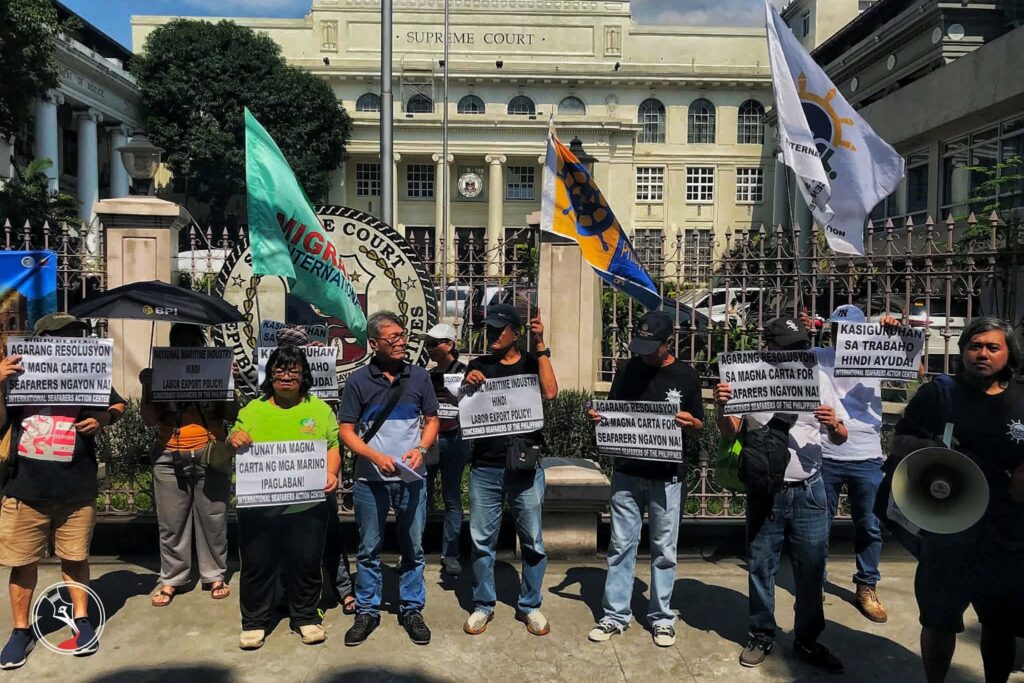
The cardinal likewise weighed in on the protests held alongside the ASEAN Summit, underscoring that freedom of expression and peaceful assembly are constitutional rights that must be protected regardless of the political views of those participating.
While acknowledging that demonstrations should remain peaceful and respect the safety of others, he said authorities should refrain from intimidation, excessive force, or repressive actions against citizens exercising their rights.
“To question a government policy is not necessarily to oppose development. To demand transparency is not to be anti-government. And to protest peacefully is not to be an enemy of the state,” David said.
He added that responsible citizenship requires vigilance, particularly when government decisions could have long-term consequences for future generations.
For the Church, David said, genuine progress should be measured not only by investment flows, technological achievements, or economic growth, but by how these promote social justice, peace, human dignity, and care for the environment.
“Development must never come at the expense of the very people it is supposed to serve,” he said. # (ZIA LUNA)