
Senator Chiz Escudero on Sunday called on government agencies to intensify coordinated protection measures for Filipinos across the Middle East, citing the more than 2.2 million overseas workers in the region and the over 1,100 Filipinos currently in Iran who may be affected by escalating tensions following recent strikes in and around Iranian territory.
“The sheer scale of our presence in the Middle East demands a response that is both urgent and anticipatory,” Escudero said. “We cannot afford to be reactive when millions of Filipino families depend on the safety of their loved ones abroad.”
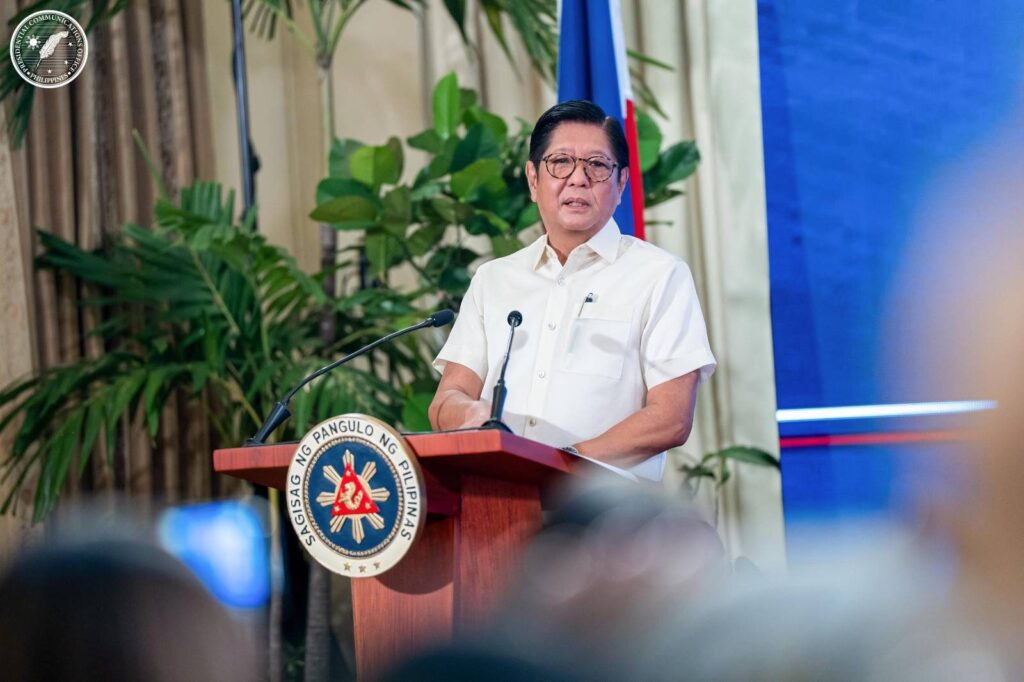
Escudero acknowledged President Ferdinand “Bongbong” Marcos Jr. for directing the Department of Foreign Affairs (DFA) and the Department of Migrant Workers (DMW) to activate contingency plans and account for Filipinos in affected areas.
He noted that swift action is essential, especially with Saudi Arabia hosting over 865,000 Filipinos, the UAE nearly 650,000, and significant communities in Qatar, Kuwait, Bahrain, and Oman.
He emphasized, however, that advisories alone are insufficient given the magnitude of the risk.
“We need a unified and forward‑leaning approach that ensures embassies, welfare officers, and crisis teams are operating with synchronized information and clear protocols should conditions deteriorate,” he said.
Escudero proposed the activation of a Middle East Crisis Command Center to consolidate real‑time monitoring, map out safe corridors, and pre‑position evacuation assets in friendly ports or airports. He also urged assistance for Filipino travelers stranded in airports or transit hubs due to flight cancellations.
“Such a mechanism is not alarmist but a necessary safeguard, especially for our overseas Filipino workers in high‑risk areas like Israel and Iran, where mobility may be restricted and communication lines may be disrupted,” Escudero pointed out.
The senator underscored the need to maintain reliable communication channels with OFWs. “Emergency hotlines, check‑in systems, and temporary assistance for connectivity will help ensure that workers remain informed and reachable, particularly those in sectors with limited mobility such as domestic work, construction, and caregiving,” he said.
Escudero, who has consistently championed OFW welfare, stressed that their safety must remain central to the national response. “I am prepared to work closely with our foreign and migrant‑worker agencies to ensure that every Filipino in the region is accounted for, protected, and supported,” he added. (ZIA LUNA)