Science and technology groups have denounced the Cybercrime Investigation and Coordinating Center’s (CICC) proposal to block Signal, calling it not just a “quick fix” to spoofing but a possible attempt to obscure deeper corruption issues.
In a joint statement, the Computer Professionals’ Union (CPU) and AGHAM Advocates of Science and Technology for the People emphasized that spoofing is not unique to Signal and can occur on any messaging platform. Signal, they noted, is being targeted precisely because it is built around privacy and end-to-end encryption.
“Instead of strengthening investigative capacity or improving inter-agency coordination, the government is once again defaulting to restriction and control,” the groups said.
They described platform bans as “band-aid solutions” that can be easily bypassed through VPNs or alternative apps. Fraudsters will adapt, they warned, while ordinary users—journalists, activists, professionals, and private citizens—will lose access to secure communication.
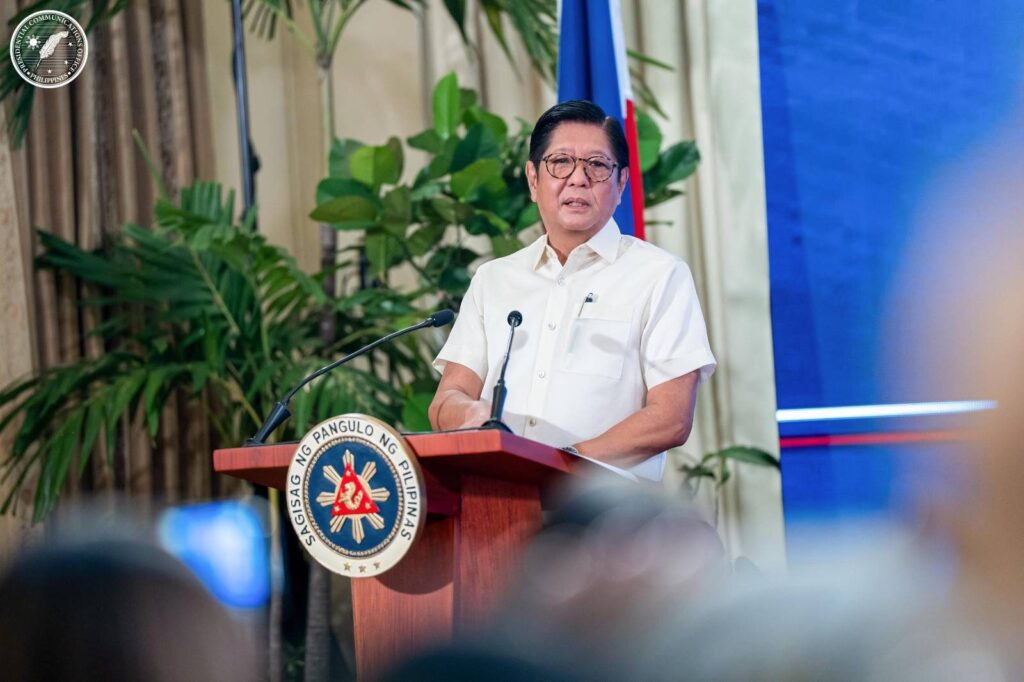
The timing of the proposal has raised sharper questions. Reports have alleged that President Ferdinand “Bongbong” Marcos Jr. and a “bagman” used Signal to discuss the exchange of billions in kickbacks from corruption.
“Why block Signal now, amid publicly reported allegations that President Marcos and a ‘bagman’ used it to discuss the exchange of billions of corrupted funds?” the groups asked.
They argued that if spoofing were truly the concern, the public should question whether the move is meant to protect citizens or to cover up corruption trails involving the President.
The statement also pointed to a recurring government pattern, citing SIM Registration and other policies that expand state access to personal data in the name of “security.” Each time, they said, the public is asked to surrender more privacy in exchange for promises of safety.
“Security should not come at the cost of fundamental digital rights. Real solutions to spoofing must be targeted and privacy-oriented, not measures that normalize censorship and surveillance,” CPU and AGHAM stressed.
Recently, lawmakers Caloocan City 2nd District Rep. Edgar Erice and ACT Teachers Rep. Antonio Tinio revealed that Batangas 1st District Rep. Leandro Leviste had shown them records of alleged text exchanges between President Marcos and former PLLO chief Adrian Bersamin regarding kickbacks in flood control projects. (ZIA LUNA)